Published: 05/20/2026By: Megan Francis
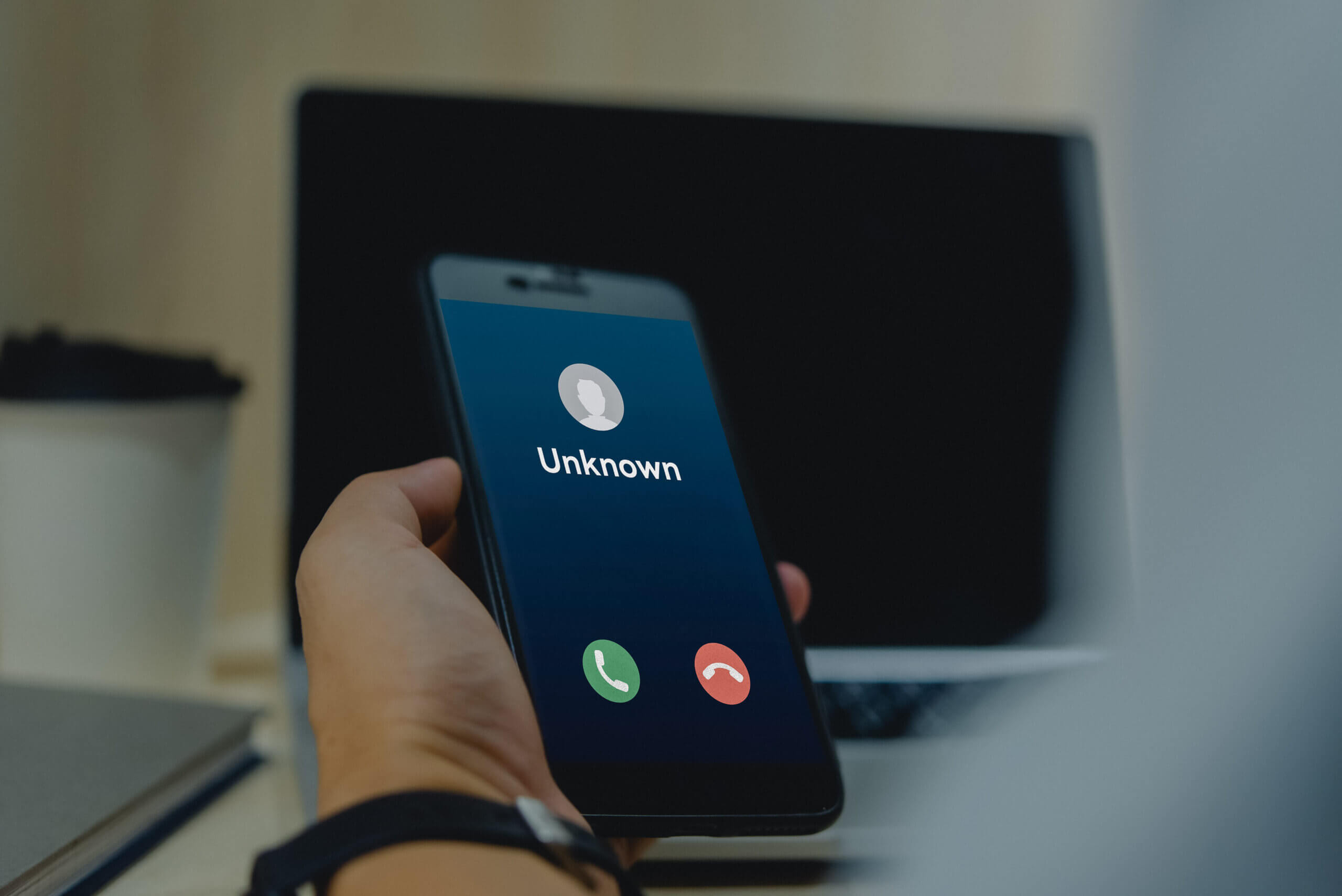
Most phone scams start the same way. Your phone lights up with a call or text from a number you don’t recognize. Maybe it looks local, maybe it doesn’t. It rings once, and there is no voicemail or follow-up. Just enough to make you pause and wonder if you should call back. Or block it. Or Google it.
So you do what most people do. You type in something like “is this phone number a scammer lookup,” hoping to land on a tool that isn’t a scam in itself. You want a quick, reliable way to check whether the number is legitimate or shady.
If that’s what brought you here, you’re not alone. Robocalls and phone scams are everywhere. According to the FTC, Americans lose hundreds of millions of dollars yearly to phone-based fraud, and the tactics are only getting more aggressive. The good news is you don’t have to guess. There are simple, immediate ways to check any unfamiliar number for red flags.
This guide will walk you through what to look for when a suspicious call comes in, how to use reverse lookup tools to identify callers, and how to protect yourself going forward. Whether you’re dealing with a one-time spam call or a pattern of harassment, we’ll help you figure out what to do next, starting now.
Scam Or Not; Check Every Phone Number
If the number isn’t saved in your phone, it shouldn’t get the benefit of the doubt. That might sound paranoid, but it’s just practical. Scammers have gotten good at making their calls look legitimate. They spoof local area codes, mimic real businesses, and often use rotating numbers to avoid detection.
According to YouMail’s Robocall Index, Americans receive over four billion robocalls monthly, many of which are scam-related. And it’s not just calls. Scam texts are on the rise, too, often using links, fake delivery notices, or impersonation tactics. One quick reverse phone lookup can save you from an expensive mistake.
Red Flags: Signs the Number Might Be a Scam
Before you even run a number through a lookup tool, there are some clear signs that should raise your guard. Scammers often follow predictable patterns, and spotting those early can save you from falling into a trap.
If the call rings once and drops, it could be a one-ring scam designed to get you to call back, often to a premium-rate number. If you pick up and hear silence or a vague robotic message, you’re likely dealing with a robocall or mass phishing attempt.
Other times, the call may seem more human but still off. They might pretend to be from the IRS, your bank, or tech support and pressure you into urgent action. Here are a few common red flags to keep an eye on:
1. The Caller Asks for Gift Cards, Wire Transfers, or Crypto.
Scam callers often demand payment in hard-to-trace formats. If you’re ever asked to pay a fine, fee, or “secure your account” using gift cards, wire transfers, or cryptocurrency, it’s almost always a scam.
No legitimate company or government agency will ever ask for payment this way. This is a textbook scam script; please hang up immediately.
2. You’re Told There’s a Warrant for Your Arrest or a Legal Case Against You.
Another common tactic is to instill panic. Scammers pretend to be from law enforcement, the IRS, or immigration services, claiming you owe money or missed a court date. They’ll threaten you with arrest, deportation, or legal action unless you act immediately.
This works on people who don’t know that real agencies don’t operate this way. If someone threatens you over the phone and asks for personal information or payment, it’s almost certainly fraudulent.
3. The Number Looks Local, but Makes No Sense Contextually.
Scammers often use a trick called neighbor spoofing, making the call appear to come from a local area code, sometimes even the first six digits of your number. This increases your chances of picking up, thinking it’s someone nearby or a local business.
But if you answer and the voice on the other end is generic, robotic, or immediately suspicious, it’s likely a spoofed number being used to fish for information or get you to call back.
4. The Message Relies on Fear, Urgency, or Confusion.
A core element of phone scams is pressure. The call might include phrases like:
- “You must respond immediately.”
- “This is your final warning.”
- “If you do not comply, legal action will be taken.
The goal is to rush you into acting before you think. Whether it’s fear of legal trouble, losing access to your bank, or missing out on a prize, scammers rely on urgency to override your skepticism. If the call’s tone feels aggressive or manipulative, you should pause and quickly look up the number before responding.
Many of these scams are designed to catch you off guard, especially if they spoof a familiar area code. Even if the call initially seems normal, trust your instincts if something feels off. For more on how to respond, check out our guide on what to say to a scammer to scare them.
How to Look Up if a Phone Number Is a Scam
When you receive a suspicious call or text, your best move is to look up the number before doing anything else. A reverse phone lookup gives you immediate context, often enough to decide whether to ignore, block, or report the number.
Start by heading to USPeopleSearch.com and entering the phone number into the search bar. Within seconds, you’ll see publicly available information about that number and whether it’s tied to a real person, business, or something more suspicious.
Here’s what a reverse lookup can show:
- The name associated with the number (if available).
- Whether it’s a mobile, landline, or VOIP number.
- The phone carrier and general location.
- Possible connections to spam or scam activity.
That said, even if there’s no match, that doesn’t mean the call or message is safe. A number that can’t be verified at all, especially when paired with suspicious behavior like one-ring calls or urgent voicemails, is concerning. Here are a few more steps you can take in such scenarios:
- Search the number online. Plug the number into Google, Reddit, or scam-reporting forums. Many users post about scam calls they’ve received, and you might find reports that match what you experienced.
- Use government resources. The FTC’s phone scams page outlines common scam formats and reporting channels. Their site is updated regularly with known fraud patterns and scam tactics.
- Recognize common scam patterns. Watch out for calls asking for immediate payment through untraceable modes or requesting sensitive personal information without proper context. Caller ID can also be spoofed, so don’t rely on the name or area code alone.
If a call feels off, trust that instinct. When in doubt, look it up. It takes seconds and could prevent fraud, harassment, or identity theft. Need help? Check out our guide on how to find a name from a phone number.
What to Do If A Phone Number Is Scam
The first rule is simple: don’t engage. If a call feels suspicious, let it go to voicemail. Don’t call back, and don’t respond to a text.
If you picked up and it turned out to be a robocall or a vague, scripted voice, don’t press buttons or answer questions. Even something as simple as saying “yes” could be recorded and misused. The more you interact, the more your number is marked as “active,” which increases the chances of being targeted again.
Once you’ve confirmed a number is suspicious, block it immediately. Both iPhones and Android devices let you block numbers with a few taps. If your device doesn’t offer this feature natively, you can use any trusted third-party call blocking app. You can download such apps from legitimate sources like the Google Play Store (Android) or the Apple App Store (iOS).
In addition to these, you can also take a few preventive steps:
- Enable the “Do Not Disturb” or “Silence Unknown Callers” features on your phone, especially during work hours or at night.
- Add your number to the National Do Not Call Registry to cut down on legitimate telemarketing spam.
Blocking is essential but not always enough, especially if the same scam rotates through multiple numbers. If the call felt aggressive, threatening, or fraudulent, take a few minutes to report it. File a report with the FTC and notify your mobile carrier if they offer a spam-reporting service. These reports help track and shut down large-scale scam operations.

Is This Phone Number a Scammer Lookup? Not All, But Most
You don’t type “is this phone number a scammer lookup” into Google for fun. You do it because something doesn’t feel right, and nine times out of ten, your instincts are dead on.
Scammers have learned to hide behind fake numbers, spoofed caller IDs, and rushed scripts. But they still lose the second you pause, look them up, and take control. Reverse phone lookup tools like USPeopleSearch give you more than names and details. They give you back the certainty scammers try to strip away.
Next time your phone lights up with a random number, assume nothing. Search first. Decide second.

 Previous Article